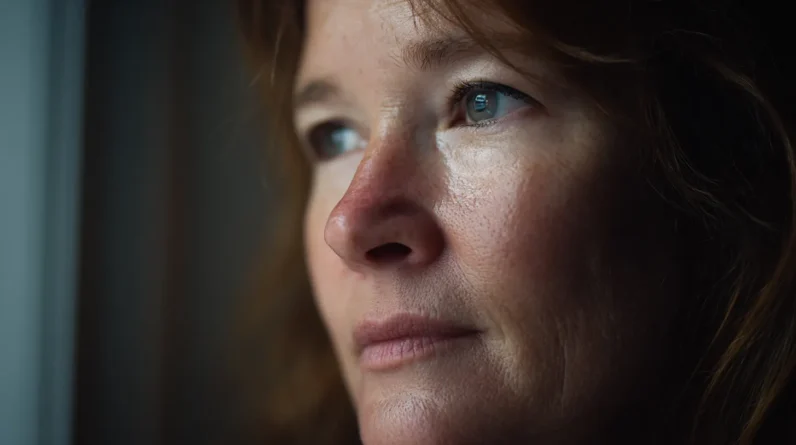




We’ve been sold an incomplete story about menopause. It’s not just hot flashes—hormonal shifts directly rewire your serotonin and dopamine, triggering mood swings and depression that can rival physical symptoms in intensity. Beyond biochemistry, you’re grieving lost fertility, renegotiating decades-old identities, and experiencing profound psychological disorientation. Your relationships strain under the weight of changes nobody prepared you for. Recognizing menopause as a seismic psychological event—not merely a biological one—is where genuine healing begins, and there’s much more to uncover about integrating this transformation.
The Emotional Whirlwind: Why Mood Changes Are Just as Real as Hot Flashes
While we’ve long heard about the physical symptoms of menopause, we’re often left unprepared for the emotional turbulence that accompanies this shift. Hormonal fluctuations—particularly declining estrogen—directly influence neurotransmitters like serotonin and dopamine, triggering mood swings, anxiety, and depression that rival hot flashes in intensity.
You’re not overreacting; you’re experiencing neurochemical changes. Processing emotions becomes essential as we navigate uncertainty about our bodies’ new terrain. Research confirms that up to 23% of women experience clinical depression during menopause, validating what you’re feeling.
Understanding this biological foundation empowers you to seek appropriate interventions—whether therapy, lifestyle modifications, or medical support. Your emotional experience deserves the same recognition as physical symptoms, enabling you to reclaim agency during this transformative life phase.
Identity Loss and Reinvention During Midlife Transition
As our bodies shift during menopause, we often discover that our sense of self shifts just as dramatically. We’re renegotiating identities we’ve held for decades—perhaps as primary caregivers or in roles defined by reproductive capacity. This loss, while disorienting, catalyzes profound self discovery.
We’re examining who we’ve become versus who we want to become. Purpose redefinition emerges naturally as we release outdated narratives. Research shows that women who actively engage in this reinvention report greater life satisfaction and resilience than those who resist the metamorphosis.
We’re not losing ourselves; we’re excavating dormant aspects waiting for expression. This midlife passage offers an unexpected gift: permission to reconstruct our identities with intentionality and authenticity, freed from earlier constraints.
How Relationships Shift When Your Body and Mind Are in Crisis
The same identity reconstruction that liberates us internally can destabilize our closest relationships. We’re traversing profound shifts while our partners struggle to recognize us. Research shows that midlife transitions strain intimate bonds through misaligned expectations and unmet needs.
- Hormonal fluctuations intensify emotional reactivity, making our responses feel disproportionate to external triggers
- Partners often lack framework for understanding the psychological dimensions beyond physical symptoms
- Communication patterns break down when we’re processing identity loss simultaneously
We need open communication that names what’s happening—not just hot flashes, but existential recalibration. Emotional support means our loved ones learning that we’re not abandoning them; we’re becoming ourselves. Couples who undertake this transition intentionally often emerge with deeper intimacy, having weathered the storm together.
The Grief Nobody Talks About: Mourning the Loss of Fertility and Youth
We rarely acknowledge the profound grief that accompanies menopause—not merely the end of reproductive capacity, but the loss of an identity we’ve inhabited since adolescence. This shift mirrors the emotional complexity of coping with infertility, yet society often dismisses it as inevitable rather than tragic. Managing feelings of loss requires recognizing that menopause represents simultaneous griefs: the closing of biological possibility, the erosion of youth-coded social currency, and shifts in how we’re perceived. Research demonstrates that unprocessed menopausal grief correlates with increased depression and anxiety. We must name this loss explicitly. Acknowledging what we’re mourning—fertility, vigor, a particular version of ourselves—isn’t self-indulgent; it’s necessary psychological work that enables genuine integration and forward movement.
Breaking the Silence: Why Medical Care Must Address Mental Health, Not Just Hormones
While hormone replacement therapy can alleviate hot flashes and night sweats, it doesn’t address the existential disorientation many of us experience during menopause. We need medical providers who recognize menopause as a biopsychosocial shift requiring integrated care.
Holistic treatment options must include:
- Psychotherapy to process identity shifts and grief
- Cognitive-behavioral strategies for managing anxiety and mood changes
- Mindfulness-based self care strategies tailored to individual needs
Research demonstrates that women receiving mental health support alongside hormonal treatment report drastically better outcomes than those receiving medication alone. We’re advocating for clinicians who validate our psychological experiences while addressing biochemical changes. This extensive approach acknowledges that our brains, bodies, and identities are inseparably linked during this profound life shift.
Conclusion
We’re experiencing a profound shift that extends far beyond biology. Our mood shifts, identity questions, and grief deserve recognition alongside physical symptoms. You’re not overreacting—you’re maneuvering legitimate psychological upheaval. When we acknowledge menopause’s emotional dimensions, we validate our struggles and demand better care. You deserve medical support that addresses your whole self: mind, body, and spirit. This conversation matters.