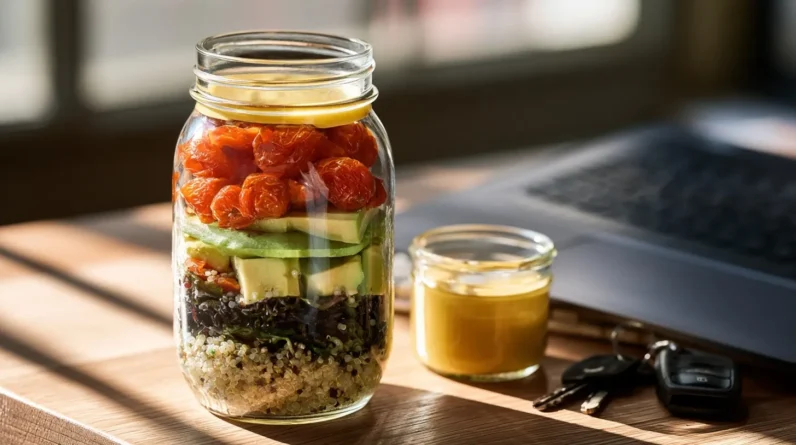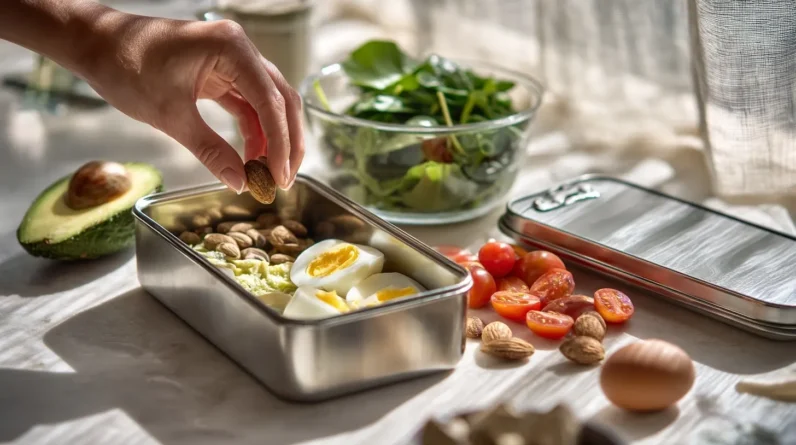



The nutrition habits that actually hold up for working moms aren’t complicated—they’re consistent. We focus on three non-negotiables: eating within an hour of waking, anchoring our day with simple meal prep, and keeping smart snacks on hand that combine fat and protein. These habits don’t require perfection, just a flexible plan that survives sick kids and packed schedules. Stick around, because we’re breaking down exactly how to make it work.
Why Most Nutrition Plans Fail Busy Moms
When most nutrition plans fail working moms, it’s not because of a lack of willpower—it’s because they’re designed for people with unlimited time, a fully stocked kitchen, and zero interruptions. They demand elaborate meal prep, ignore time management realities, and set unrealistic goals that collapse by Wednesday.
Real life includes sick kids, back-to-back meetings, and dinners built around convenience foods. Rigid plans don’t survive that.
What actually works is building flexible habits rooted in mindful eating, smart shortcuts, and family involvement. When your kids and partner participate, the mental load shrinks. When your goals reflect your actual schedule, consistency becomes possible.
We don’t need perfect nutrition. We need nutrition that holds up when everything else falls apart.
The Only Nutrition Habits Worth Keeping on Crazy Days
On the hardest days, we don’t need a plan—we need a shortlist. When everything’s falling apart, these three habits are the only ones worth protecting:
- Eat within an hour of waking. Blood sugar stability drives every decision we make before noon.
- Use meal prepping as your anchor. Even one batch-cooked protein keeps us from hitting a wall by 3 PM.
- Deploy smart snack strategies. Pairing fat with protein—nuts, Greek yogurt, hard-boiled eggs—blunts cortisol spikes that chaos triggers.
That’s it. No tracking. No elaborate systems. Just three non-negotiables that honor both our biology and our reality. On the craziest weeks, consistency beats perfection every single time—and these habits are the proof.
How to Eat Well Without Adding One More Task to Your Plate
Eating well doesn’t have to mean doing more—it means doing differently. Strategic meal prep and snack strategies reduce decisions, not add them. Use this framework:
| Situation | Strategy | Why It Works |
|---|---|---|
| No time to cook | Batch proteins Sunday | Fuels 4–5 meals hands-free |
| Afternoon energy crash | Pre-portioned nuts + fruit | Stabilizes blood sugar fast |
| Skipped lunch | Keep Greek yogurt at desk | Protein-dense, zero prep |
| Dinner chaos | Sheet pan defaults | One pan, minimal thinking |
| Morning rush | Overnight oats ready | Grab-and-go without gaps |
We’re not optimizing for perfection—we’re engineering consistency. When systems replace willpower, eating well becomes automatic, not aspirational. Fewer decisions mean better ones.
Quick Swaps That Actually Keep a Working Mom Fueled
Everything we reach for in a rushed moment is a choice—and small swaps in those choices can dramatically shift how we feel and function throughout the day. Strategic meal prep doesn’t require hours; it requires intention.
- Swap vending machine crackers for portioned almonds and cheese—protein and fat that stabilize blood sugar and sustain focus.
- Swap sweetened coffee drinks for cold brew with oat milk—caffeine without the crash that derails your afternoon.
- Swap skipping lunch for energy snacks staged in your bag—a hard-boiled egg, a banana, a handful of walnuts.
These aren’t sacrifices. They’re upgrades. When we build smarter defaults into our day, we stop white-knuckling through exhaustion and start actually performing at the level we’re capable of.
Build a Fallback Plan for When Everything Goes Sideways
Even the best intentions collapse under a sick kid, a derailed commute, or a back-to-back meeting day that runs straight through lunch. That’s why we need a fallback plan before crisis cooking becomes our default. Keep your kitchen stocked with three non-negotiables: canned fish, nut butter, and whole-grain crackers. These aren’t glamorous, but they’re genuinely nourishing and require zero meal prepping in the moment. Designate a specific shelf or drawer as your “chaos shelf” so you’re not hunting when you’re already depleted. Pre-program two or three reliable delivery orders that hit your protein and vegetable targets. A fallback plan isn’t admitting defeat—it’s the smartest infrastructure a working mom can build, because hard weeks aren’t exceptions; they’re part of the schedule.
Frequently Asked Questions
How Do I Handle Nutrition When Traveling for Work Unexpectedly?
When unexpected travel hits, we pack travel snacks like nuts and protein bars so we’re never at the mercy of airport food. We also rely on simple meal prep strategies, like portioning snacks before leaving home.
Can I Maintain Good Nutrition Habits While Breastfeeding and Working?
Yes, we can absolutely do both. Let’s prioritize meal prepping on Sundays to fuel our milk supply all week. Keep breastfeeding snacks like nuts, oats, and lactation bites at our desk for consistent energy.
What Are the Best Nutrition Apps Specifically Designed for Busy Moms?
We’ve found apps like Yummly and Mealime excel at meal planning, portion control, and snack ideas, while MyFitnessPal offers recipe sharing—giving us practical, evidence-based tools that hold up during our busiest weeks.
How Does Poor Nutrition Affect My Ability to Manage Mom Guilt?
Poor nutrition fuels emotional eating and weakens our stress management, making mom guilt spiral harder. When we’re depleted, we’re reactive, not rational. Nourishing ourselves consistently helps us respond to guilt with clarity instead of shame.
Are There Nutrition Habits That Also Support My Kids’ Eating Behaviors?
When we share family meals, model healthy snacks, try kid-friendly recipes together, and weave in nutrition education naturally, we’re shaping our kids’ lifelong eating behaviors while reinforcing our own.
Conclusion
We’ve covered a lot of ground here, but the truth is, sustainable nutrition doesn’t have to be perfect — it just has to be consistent enough to keep the wheels turning even on your worst days. Forget overhauling everything at once. Pick one or two habits that fit your real life, stack them until they stick, and build from there. Small, repeatable wins beat elaborate plans every single time.